Streatham High Road shop rubbish collection for local businesses
Posted on 13/10/2026

If you run a shop on Streatham High Road, rubbish has a way of becoming someone else's problem until suddenly it is very much yours. Cardboard starts stacking up near the till. Broken packaging slips behind stock. A bin bag gets heavier than you expected, then the smell starts to creep in by closing time. Streatham High Road shop rubbish collection for local businesses is really about keeping that day-to-day mess under control without letting it interfere with trade, customers, or staff morale.
This guide looks at what shop waste collection involves, how the process usually works, what to ask for, and how to avoid the common mistakes that cost time and money. You will also find practical compliance pointers, a simple checklist, and a few local-facing tips that make life easier for independent retailers, salons, convenience stores, cafes, takeaways, and other businesses along the road.
Why Streatham High Road shop rubbish collection for local businesses matters
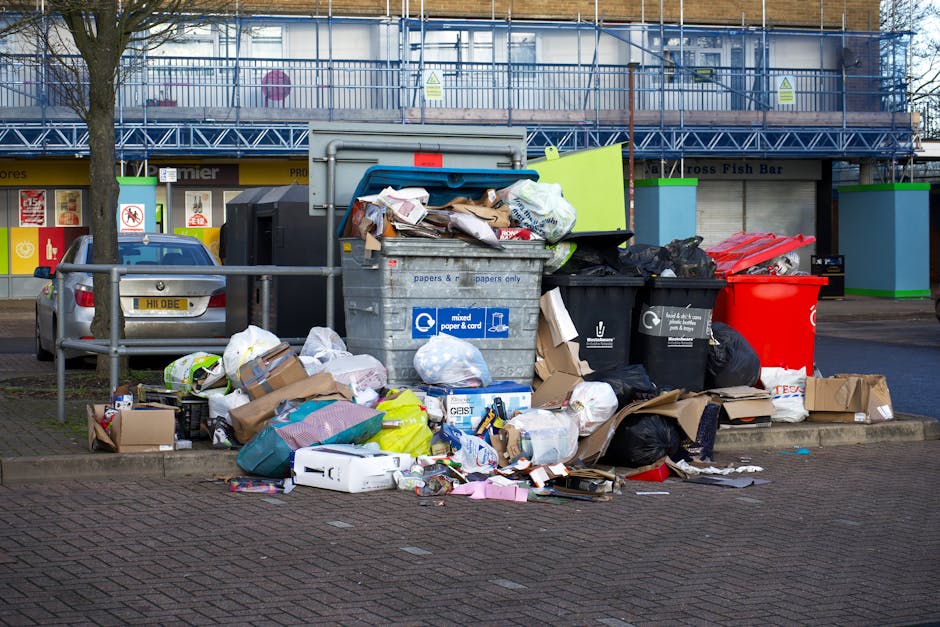
For a business on a busy high street, waste is not just a back-of-house issue. It affects how customers see you, how smoothly staff work, and whether your premises feel organised or slightly chaotic. On Streatham High Road, where footfall, deliveries, and tight pavements can all collide, unattended rubbish becomes visible quickly. And once it is visible, people notice. Sometimes they notice more than you would like.
Good rubbish collection does a few jobs at once. It helps keep the shopfront tidy, reduces clutter in stock areas, limits odours and pest risk, and makes opening and closing routines calmer. That matters whether you are dealing with a handful of black sacks or frequent commercial waste streams like cardboard, shrink wrap, food packaging, or old display materials.
There is also a commercial side to it. Customers tend to trust a business more when it looks cared for. Staff work better when they are not stepping around bags on the floor. Deliveries are easier when access routes stay clear. And to be fair, nobody wants to start the day wrestling with a bulging bin bag before the kettle has even boiled.
For some shops, the need is regular and predictable. For others, it is seasonal. Christmas stock, sales periods, refurbishments, a change of display fixtures, or a sudden clean-out can all create more waste than usual. The key is having a collection approach that fits how your business actually operates, not how an idealised spreadsheet says it should.
Practical takeaway: the best waste collection setup is the one your team can keep using on a hectic Tuesday, not just on a quiet planning day.
How Streatham High Road shop rubbish collection for local businesses works
In simple terms, shop rubbish collection usually starts with identifying what waste you produce, how much of it you generate, and when it is ready to be removed. A small boutique may need occasional clearance of packaging and damaged stock. A cafe may need frequent food-related waste removal. A hardware shop might produce bulky cardboard and mixed material waste that builds up fast after deliveries.
The process typically follows a few practical steps. First, the waste is separated if possible. Cardboard, general waste, food waste, broken fixtures, and recyclable material are often easier to manage when kept apart. Then it is stored in the right containers or bags, ready for collection. Finally, a collection team removes it at the agreed time, ideally without disrupting trade or blocking customers.
On a busy London high street, timing matters more than people often expect. Early morning collections can work well before the shop gets busy. Later collections may suit units with space at the rear or in a service yard. If you are sharing access with neighbouring businesses, coordination matters. Nobody enjoys a row over bins at 8:30 a.m., especially when customers are already queuing for coffee next door.
In practice, good collection also depends on access. Can a vehicle stop safely? Is the waste easy to reach? Are there stairs, narrow corridors, or locked doors? Small details like these determine whether a collection feels smooth or becomes one of those slightly ridiculous admin headaches that wastes twenty minutes every week.
If your business needs a wider clearance approach rather than routine bin removal, a service such as commercial waste removal in Streatham may be more suitable than ad hoc disposal. For smaller shopfront jobs, local rubbish collection in Streatham can be a straightforward starting point.
Key benefits and practical advantages
The benefits of a well-managed collection system are broader than simple tidiness. A good setup supports trading, compliance, and the daily rhythm of your shop.
- Cleaner customer experience: a neat frontage makes a business feel more professional and easier to trust.
- Less clutter in back-of-house areas: staff can move stock, prep orders, and close up without working around piles of waste.
- Reduced disruption: regular collection stops rubbish from becoming a Friday-night emergency or a Monday-morning mess.
- Better hygiene: particularly important for food retail, cafes, and any premises dealing with packaging or organic waste.
- Improved safety: less trip risk, fewer blocked exits, and fewer sharp edges from broken packaging or furniture.
- Stronger recycling habits: separating materials such as cardboard and plastics can lower the amount of general waste you need to manage.
There is also a quieter benefit: staff are usually happier when waste is dealt with properly. It sounds minor, but it adds up. A tidy working environment changes the tone of the day. People move more confidently. Closing feels less rushed. And when the back room does not look like a cardboard avalanche, that is one less thing for everyone to complain about before lunch.
Businesses with regular collection arrangements may also find it easier to plan storage space. That matters in small retail units, where every square metre counts. If you know when the rubbish is going, you can avoid hoarding stock boxes "just in case" and reclaim useful room for actual trading.
Who this is for and when it makes sense
Streatham High Road shop rubbish collection for local businesses is relevant to a wide range of operators, not just large stores or chains. In fact, smaller businesses often benefit most because they have less storage room and less staff time to waste on repeat cleanup jobs.
It usually makes sense if you run any of the following:
- independent shops and convenience stores
- cafes, bakeries, and takeaways
- hairdressers and beauty salons
- newsagents and off-licences
- small offices above or behind shop units
- seasonal retailers with changing stock volumes
- businesses undergoing fit-outs, refits, or downsizing
You may need more than standard bin collection if your waste includes bulky packaging, unsold stock, damaged shelving, display units, old furniture, or mixed commercial waste that does not fit into a council bin routine. In those cases, a more flexible collection or clearance approach can be much easier to manage.
There is a point where the signs become obvious. The bin lids no longer close. Cardboard starts living by the fire exit. Staff spend too long compressing bags. If any of that sounds familiar, you probably need a better system rather than just more effort from the team. Effort is great. Chaos, less so.
For businesses with office space attached to the shop, it may also help to look at office clearance in Streatham alongside your shop waste routine, especially if you are clearing archived paperwork, broken furniture, or old equipment.
Step-by-step guidance
Here is a practical way to set up or improve waste collection for a shop on Streatham High Road without overcomplicating it.
- List your waste streams. Write down what you throw away in a typical week: cardboard, plastic wrap, general waste, food waste, damaged stock, old display items, and anything bulky.
- Estimate the volume. You do not need a scientific audit. A rough but honest estimate is enough to spot whether you need standard collection or a more frequent service.
- Check storage space. Look at where waste sits before collection. If it is blocking stock access or emergency exits, the layout needs adjusting.
- Separate recyclables where practical. Cardboard is often the easiest win. If your team can flatten boxes consistently, you will usually save space straight away.
- Choose collection times that fit trading hours. Early mornings often work well for high street businesses. Late afternoon may suit some units, but only if access is easy and staff are available.
- Set a simple staff routine. Waste handling should be clear enough that everyone does it the same way, even on a busy shift.
- Review after two or three weeks. If bags are still piling up or collections are too frequent, adjust the schedule. Small tweaks often solve the problem.
A useful habit is to make one person responsible for checking waste before closing. Not because they should do everything, but because responsibility prevents the familiar "I thought someone else handled it" problem. We have all seen that one. Nobody wins.
If your waste is mainly packaging from deliveries, pairing your routine with a dedicated service like waste clearance in Streatham can help when the volume spikes after stock drops. If the waste includes furniture or old fixtures, furniture removal in Streatham may be a better fit for those one-off jobs.
Expert tips for better results
Small adjustments often make the biggest difference. Here are a few practical habits that tend to work well in real shops, not just on paper.
- Flatten cardboard immediately. Do it when boxes arrive, not after the stock room has already filled up.
- Use clearly labelled bins or sacks. Staff should know at a glance what goes where.
- Avoid overfilling bags. Overstuffed waste is awkward to move and more likely to split at the worst possible moment.
- Keep a small buffer for busy days. One extra collection slot can stop a seasonal rush becoming a storage crisis.
- Place waste where collection is simplest. Long walks through stock rooms or past customers slow everyone down.
- Match collection frequency to trading patterns. A quiet Monday and a busy Saturday do not produce the same amount of waste, obviously, but shops sometimes plan as if they do.
Another useful tip: photograph your waste area before and after you tidy it. It sounds minor, but it helps you see patterns. You notice when cardboard always builds up in the same corner, or when a delivery schedule creates a peak on certain days. Those little patterns are where the easiest wins hide.
If you handle mixed commercial waste, make sure your team understands what can be recycled and what should not be mixed in. A contaminated recyclable load can be a nuisance later, and nobody wants to spend an hour untangling one wrongly used bag because "it all looked similar at the time."
Common mistakes to avoid
Most waste problems in shops are not dramatic. They are just repeated small mistakes that slowly make life harder.
- Letting waste pile up between collections: a bit of delay becomes a full back-room blockage before long.
- Assuming all rubbish is the same: cardboard, food waste, and broken fixtures behave very differently.
- Ignoring access issues: if a collection vehicle cannot reach the waste easily, you may face delays or extra handling.
- Forgetting seasonal changes: retail peaks, promotions, and refits often create more waste than normal.
- Using the wrong containers: flimsy bags, weak boxes, or overloaded bins cause spills and extra labour.
- Leaving staff unclear on responsibilities: waste collection works best when everyone knows the basic routine.
One of the sneakiest mistakes is underestimating how much packaging modern deliveries create. A single busy delivery day can generate more cardboard than you expect, especially for shops with multiple product lines. If your business has a storage room that already feels tight, that extra volume matters fast.
Another common issue is keeping rubbish too visible for too long. Even if it is safely stored, customers seeing waste bags near the entrance can affect how fresh and organised your business feels. It is a small thing. But then again, small things shape first impressions.
Tools, resources and recommendations
You do not need a complex system to manage shop waste well. A few simple tools and routines usually do the job.
| Tool or resource | Why it helps | Best for |
|---|---|---|
| Clearly labelled bins | Makes sorting easier and reduces mix-ups | Retail shops, cafes, salons |
| Cardboard flattening knife or box cutter | Helps break down packaging quickly and safely | Businesses receiving frequent stock deliveries |
| Waste log or checklist | Tracks how much waste is generated and when it peaks | Shops trying to improve collection frequency |
| Dedicated storage area | Keeps waste out of customer-facing spaces | Units with limited front-of-house room |
| Regular clearance service | Prevents stock rooms and back areas from filling up | Busy high street businesses with unpredictable waste volumes |
For businesses that care about reducing waste more broadly, recycling and sustainability guidance can support better separation habits and a cleaner, more efficient setup. If your premises produce a lot of mixed trade waste, a service page such as waste disposal in Streatham may also be useful when planning how different waste types are handled.
One practical recommendation: keep a simple note of what gets collected each week. Even a rough paper record can show trends, help you plan around busy periods, and stop you paying for the wrong type of collection too often.
Law, compliance, standards, or best practice
Waste handling for businesses in the UK has compliance implications, even if the day-to-day process feels routine. The main thing to understand is that business waste is not the same as household waste. You have duties around keeping it secure, storing it properly, and ensuring it goes to an authorised carrier or disposal route.
In practical terms, that means you should be careful about who handles your rubbish, what paperwork or evidence you keep, and whether your waste is segregated responsibly. If you are unsure, it is worth checking the provider's waste carrier registration and making sure the service suits commercial waste rather than domestic collection habits.
Good practice usually includes:
- keeping waste stored safely and away from public access where possible
- separating recyclable materials where practical
- avoiding fly-tipping risk by using proper collection routes
- keeping simple records or invoices for waste transfer and disposal
- making sure staff understand what can and cannot be mixed
If your waste includes items that need special handling, such as electricals, fridges, bulky fixtures, or contaminated material, the process may be different again. In those cases, you should not just bundle everything together and hope for the best. That approach is convenient only until it is not.
For additional reassurance, businesses often look for services that explain their compliance approach clearly. You can review details such as waste carrier licence and compliance, plus supporting pages like insurance and safety to understand how a provider manages risk. That kind of transparency is not window dressing. It matters.
Options, methods, or comparison table
Not every shop needs the same collection setup. The right choice depends on waste volume, access, storage space, and how often waste builds up.
| Method | Best for | Pros | Trade-offs |
|---|---|---|---|
| Routine bin collection | Low to moderate waste volumes | Simple, predictable, familiar | May not suit bulky or irregular waste |
| Ad hoc rubbish collection | Occasional clearouts or seasonal spikes | Flexible and easy to scale | Less structured if used too often |
| Commercial waste removal | Ongoing shop waste with regular buildup | Designed for business needs and larger volumes | Needs a clearer plan and access details |
| Bulk clearance | Refits, stock refreshes, old furniture, fixtures | Handles larger jobs quickly | Not ideal for everyday small waste |
If your shop also produces waste from outside areas, a service such as garden waste removal in Streatham may be relevant for front-of-shop planters, courtyards, or outdoor maintenance clutter. It is a niche need, but it comes up more often than people expect.
For a few businesses, a mixed approach works best: routine handling for daily waste, plus occasional collection for bulky items. That is often the sweet spot. Simple enough to manage, flexible enough to avoid panic when something unusual turns up.
Case study or real-world example
Picture a small independent shop on Streatham High Road with a narrow stock room, daily deliveries, and a modest customer area at the front. During busy weeks, cardboard boxes pile up faster than the team can flatten them. The waste bags are squeezed beside a shelf, and by Friday afternoon the room feels tight and a bit stuffy. Nothing dramatic, just annoying all the time.
The owner decides to change three things. First, cardboard is flattened straight after unpacking. Second, one staff member checks the waste area at closing time. Third, the shop arranges a more suitable collection pattern so waste is removed before it spills over into the weekend rush.
Within a short time, the stock room is easier to walk through. Staff stop moving rubbish around as part of opening duties. Customers no longer see overflow near the entrance. And the owner, which is perhaps the best bit, gets to spend less time thinking about bags and more time actually running the shop.
That sort of result is not flashy, but it is real. A tidy waste system rarely gets compliments, yet it quietly improves nearly everything else around it. The smell is better. The pace is calmer. The place feels looked after.
Practical checklist
Use this checklist if you are reviewing or setting up shop rubbish collection for local businesses on Streatham High Road.
- Identify all waste types your business produces
- Estimate weekly and seasonal waste volume
- Check where waste is stored before collection
- Flatten cardboard and remove obvious contamination
- Make sure bins, sacks, or containers are suitable for the load
- Confirm access routes for collection day
- Set a collection time that fits trading hours
- Brief staff on what goes where
- Keep basic records for waste handling and invoices
- Review the arrangement after a few weeks and adjust if needed
Quick sanity check: if your team has to "make it work" every week, the system is probably too loose. A good one should feel almost boring. That is actually a compliment.
Conclusion
Streatham High Road shop rubbish collection for local businesses is not just about removing waste. It is about keeping your premises workable, your customers' first impression clean, and your staff day a little less stressful. The right collection setup depends on what you sell, how much you throw away, and how much room you have to store waste safely in between pickups.
If you get the basics right-clear sorting, sensible timing, proper storage, and compliant handling-you can avoid a surprising amount of friction. That means fewer odours, fewer blocked corners, fewer last-minute bin battles, and a shop that feels under control even on the busier days. Truth be told, that is worth a lot in a busy high street environment.
If your current setup feels clumsy or too small for the amount of waste you produce, now is a good time to review it. A better arrangement usually starts with one honest look at what is building up and where. After that, the solution tends to be simpler than you feared.
Get a free quote today and see how much you can save.