SW16 flat clearance rubbish collection step by step guide
Posted on 03/09/2026
If you are staring at a hallway full of bags, an old sofa wedged near the lift, and a kitchen that somehow feels smaller every time you glance at it, you are not alone. A SW16 flat clearance rubbish collection step by step guide is exactly what you need when the job feels bigger than the space available. Flat clearances are a different beast from house clearances: tight stairwells, shared entrances, parking headaches, noise considerations, and the usual "where on earth do we put this?" moment all show up at once.
This guide walks you through the practical side of clearing a flat in SW16, from planning and sorting to collection day and final checks. You will see how the process works, what to avoid, and how to make the whole thing smoother, safer, and far less stressful. If you are comparing options, you can also explore our services overview, rubbish collection in Streatham, and waste clearance in Streatham for a broader picture of what is available locally.
Flat clearance is rarely just "take the rubbish away." It is usually a mix of furniture disposal, bagged waste, appliance removal, recycling decisions, and making sure the building is left tidy and undisturbed. The good news? Once you break it into steps, it becomes very manageable.
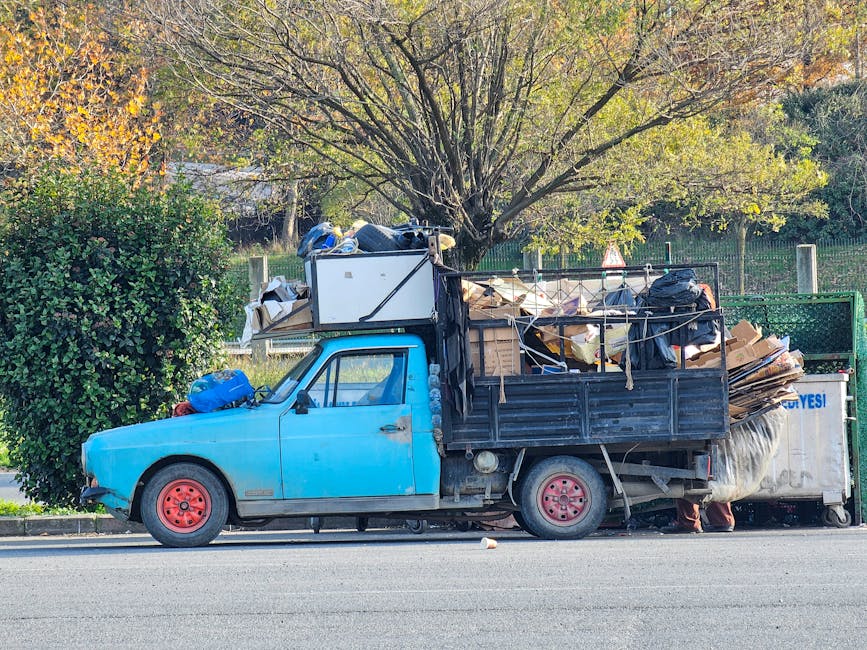
Why SW16 flat clearance rubbish collection step by step guide Matters
Flat clearances in SW16 matter because the constraints are real. In a flat, you are working around other people, shared spaces, and limited access. One bulky item can turn a simple job into a slow shuffle down three flights of stairs, especially if there is no lift or the lift is too small for larger furniture. The earlier you plan, the less likely you are to hit that classic problem of "everything is sorted except the sofa that will not fit through the door."
There is also the local side of things. In and around Streatham, many homes sit in converted buildings, purpose-built blocks, or older terraces turned into flats. That usually means narrower access and stricter building etiquette. Nobody wants rubbish bags blocking the entrance or a fridge left in the communal hallway while someone tries to get to work. A decent plan keeps things calm, courteous, and efficient.
Truth be told, flat clearance often happens at stressful times: moving out, dealing with a tenancy deadline, preparing a property for new occupants, or helping a relative downsize. The process is easier when you treat it as a sequence rather than a single overwhelming task. That is the whole point of a step-by-step approach.
How SW16 flat clearance rubbish collection step by step guide Works
At a practical level, a flat clearance rubbish collection usually follows a simple pattern. You assess what needs to go, decide what can be reused, recycled, donated, or disposed of, and then arrange collection in a way that suits the building and the amount of material involved. The collection team arrives, removes the agreed items, loads them safely, and ensures the area is left clean enough for the next stage of your move or handover.
For smaller jobs, this may be as straightforward as a one-off pick-up of bagged waste and a couple of items of furniture. For larger clearances, the job can involve multiple rooms, white goods, mattresses, wardrobes, boxed clutter, and maybe a surprise loft or storage cupboard that nobody has opened properly in years. Happens more than you think.
If you need a deeper look at related service types, it can help to read about house clearance in Streatham, loft clearance, or white goods and appliance disposal. Flat clearances often borrow from all three.
The "step by step" part matters because each stage affects the next. If you do not sort access first, collection slows down. If you do not separate recyclables, disposal becomes messier. If you do not check item weights or dimensions, you may end up with last-minute surprises. So yes, the order helps.
Key Benefits and Practical Advantages
A good flat clearance rubbish collection gives you more than an empty room. It gives you time back, reduces stress, and helps you avoid avoidable mistakes. For many people, that is the real win.
- Faster turnaround: A structured clearance means less back-and-forth and fewer delays on the day.
- Less physical strain: Heavy lifting in stairwells is no joke, especially with awkward items.
- Cleaner handover: Landlords, agents, and buyers tend to appreciate a clear, tidy finish.
- Better recycling outcomes: Sorting items properly can keep reusable and recyclable material out of general waste.
- Fewer building issues: Good planning reduces disruption to neighbours and shared areas.
There is a practical side too: when everything is lined up properly, you are less likely to make rushed choices, and rushed choices usually cost more. A forgotten mattress, a hidden box of old cables, or an extra load of mixed waste can all stretch the job longer than expected. Nobody wants that at 7pm after a moving day that has already been too long.
If you are also thinking about what happens to the waste after collection, our recycling and sustainability page explains the broader approach in plain language.
Who This Is For and When It Makes Sense
This guide is useful if you are a tenant leaving a flat, a landlord preparing a property, a letting agent coordinating a turnaround, an executor managing belongings after a bereavement, or a homeowner clearing years of accumulated clutter. It also helps if you are simply trying to remove bulky rubbish without tipping the building into chaos.
It makes particular sense when:
- the flat has limited access or narrow stairways
- you need to remove furniture, bags, and odd household items together
- the job must be completed quickly between tenancies
- you want a more organised approach than "just throw it all out"
- you need help with disposal, recycling, or bulky item removal
For business-related clearances, the process is similar but the priorities shift slightly. Office furniture, computers, archive materials, and compliance checks become more important. If that sounds closer to your situation, have a look at office clearance in Streatham or the local SW16 office clearance service.
And if your clearance includes bulky furniture you do not want to keep, furniture removal in Streatham and furniture disposal are worth understanding before you start lifting things into the corridor.
Step-by-Step Guidance
Here is the part most people actually want: a clear, usable method you can follow without overthinking it.
1. Walk through the flat and make a proper list
Start room by room. Write down what is going, what might be donated, what needs specialist disposal, and what must stay. Include awkward items people often forget: mirrors, lamps, rugs, broken shelves, old bedding, under-bed storage, and the contents of cupboards. A quick list on paper or your phone is enough. The point is to stop relying on memory, which has a habit of failing at the worst time.
2. Separate items into clear categories
Use simple groups: keep, donate, recycle, dispose, and unsure. That last category is useful. If you are undecided, put it aside rather than letting it derail the whole room. You can revisit it later with a clearer head. In our experience, the "unsure" pile often shrinks once people have had a cup of tea and a five-minute breather.
3. Check access before collection day
Measure doors, stairwells, and lifts if you are dealing with larger furniture. Note parking restrictions, loading points, and any building rules. A washing machine may leave fine via the corridor but become a nightmare at the stair landing. It sounds obvious. Still, it catches people out all the time.
4. Protect shared areas
If the flat sits in a block, think about hallways, lifts, and entrance areas. Lining the route with care, removing loose rubbish first, and keeping bags sealed all help avoid mess. A clean stairwell and a respectful pace make a surprisingly big difference. Neighbours notice. Building managers do too.
5. Decide which items need special handling
Some items are not just "rubbish." Appliances, mattresses, bulky furniture, and mixed electrical waste may need separate handling. If you have a fridge, freezer, or oven, it is worth identifying it early so it can be handled correctly. The same goes for anything sharp, broken, or contaminated.
6. Confirm the collection method
Depending on the size of the job, you may need a man-and-van style collection, a larger load capacity, or a staged removal. Smaller loads can often be handled quickly, while bigger clearances benefit from a more structured slot. For straightforward local collections, our SW16 rubbish collection page gives a helpful sense of what a local pick-up can cover.
7. Keep paperwork and permissions ready
If the property is managed by a landlord, agent, or housing association, check whether you need permission to use loading bays, access lifts, or communal areas. If you are handling someone else's property, make sure you are authorised to remove items. That part matters more than people think.
8. Put out only what is agreed
On the day, keep the agreed items together and separate from what stays. It sounds simple, but the brain does funny things during a clearance. One "temporary" box can end up being mistaken for waste, and then everybody has a minor panic. Label items if needed. A felt tip pen can save a lot of awkwardness.
9. Allow time for final checks
Before the team leaves, do a last walkthrough. Check cupboards, above wardrobes, behind doors, and inside storage spaces. Look for small items that hide in plain sight: chargers, keys, documents, shoes, and the inevitable random screw that has no obvious home. You do not want to find these after the van has gone.
10. Finish with a clean handover
Once the main items are removed, sweep or vacuum the remaining dust and debris. If you are ending a tenancy, moving in new occupants, or handing the flat back to a landlord, this final clean makes the whole job feel complete. It is a small thing, but it changes the feel of the place instantly.
Expert Tips for Better Results
There are a few details that make flat clearance much easier, and most of them are boring in the best possible way.
- Start with the heaviest items first. Sofas, wardrobes, and appliances set the pace for the rest of the job.
- Flatten boxes and bag loose items separately. Mixed loads are slower to handle and harder to sort later.
- Use consistent labels. "Keep," "leave," and "remove" are enough. No need for an entire colour-coded philosophy.
- Clear one room at a time. Jumping between rooms creates confusion and more trips.
- Keep a small essentials box. Documents, keys, medication, chargers, and valuables should be taken out of the clearance flow early.
- Book access with a buffer. Building delays, parking issues, and lift waits happen. They just do.
One of the most useful habits is photographing rooms before you start. Not for social media, obviously. It helps you remember what was there, spot what is missing, and check nothing important gets caught up in the pile. A picture of a packed cupboard can save you a painful "where did that go?" moment later.
If you want reassurance about the company side of things, our pages on waste carrier licence and compliance and insurance and safety explain the standards you should expect from a professional service.

Common Mistakes to Avoid
Most flat clearance problems come from rushing. That is the blunt truth of it. Here are the mistakes that cause the most bother.
- Leaving sorting until collection day: This creates delays and confusion.
- Ignoring access restrictions: A bulky item can turn into a logistics problem fast.
- Mixing keep and remove items: One accidental bin bag can create a headache no one wants.
- Forgetting appliances or hidden storage: Cupboards, loft hatches, and under-bed spaces are easy to miss.
- Not checking building rules: Shared entrances and parking bays often have conditions.
- Assuming all waste is the same: Different items can require different disposal approaches.
Another common one: people underestimate the emotional side of a clearance. Clearing a flat after a long tenancy, a family change, or a bereavement is not just physical work. You are often making decisions about objects with memories attached. So, yes, give yourself a bit of patience. It helps.
Tools, Resources and Recommendations
You do not need a complicated setup, but a few simple tools make the process smoother.
- Strong bin bags for mixed household rubbish
- Marker pens and labels for sorting piles
- Gloves for handling dusty or awkward items
- Tape measure for doors, lifts, and furniture dimensions
- Phone camera for before-and-after checks and room records
- Vacuum or broom for the final tidy-up
If you have a larger or more varied clearance, you may also need a plan for garden overspill, storage leftovers, or renovation debris. In those cases, related services such as builders waste disposal or SW16 garden waste removal may be relevant, depending on what is actually being removed.
For homes with bigger clean-outs, loft clearance can also be useful if the clutter has spread upwards as well as across the flat. Happens more often than you would think, especially after a few years of "I'll deal with that later."
Law, Compliance, Standards, or Best Practice
When you arrange rubbish collection or flat clearance, it is sensible to think beyond the visible mess. In the UK, waste handling is expected to follow proper legal and industry practice, and responsible operators should be able to show that they handle waste correctly, transport it safely, and dispose of it through legitimate routes.
For you as a customer, the practical takeaway is simple: use a provider that can explain how waste is handled, what happens to recyclable material, and how different item types are managed. If a company cannot answer those questions clearly, that is usually a sign to slow down and ask more.
Shared buildings also bring their own best practices. Keep communal areas clear, avoid blocking fire exits, do not leave waste unattended in hallways, and make sure any lifting or carrying is done safely. That is common sense, but common sense is surprisingly valuable here. A flat clearance should make life easier, not create friction with neighbours or building management.
For more on trusted working practices, you can read about the company background and our approach to recycling and sustainability.
Options, Methods, or Comparison Table
There are a few ways to approach a flat clearance. The best one depends on time, volume, and how much heavy lifting you want to avoid.
| Method | Best for | Pros | Limitations |
|---|---|---|---|
| Self-clearance | Small amounts, light items, flexible timing | Low direct cost, full control | Time-consuming, physically demanding, transport issues |
| Mixed bag-and-item collection | Typical flat clearances with household rubbish and a few bulky pieces | Convenient, quicker than doing it yourself, less lifting | Needs good sorting and access planning |
| Full clearance service | Large or urgent flat clearances, end-of-tenancy jobs | Fast, organised, less stress | Usually the highest cost option |
In practice, most people in SW16 want something between the first and third option. They want help with the awkward stuff, but they still want a bit of control over what stays and what goes. Fair enough. If you are comparing costs and scope, the pricing and quotes page is a sensible next stop.
Case Study or Real-World Example
Here is a typical real-world scenario. A tenant in a second-floor flat in SW16 needs to move out by the end of the week. The flat contains a small sofa, a broken bedside table, four bin bags of general waste, two boxes of books, a microwave, and a wardrobe that looked smaller in the photos than it does in real life. There is no lift, the street is busy, and parking is tight.
The successful approach is not to try and tackle everything in one dramatic sweep. Instead, the tenant sorts items into keep, remove, and unsure. The valuable papers and personal bits are moved into one small box first. The bulky furniture is measured and checked against the stairwell. The bags are sealed. The route through the hallway is cleared. Collection is then arranged for a time when access is easier, and the team can remove the items in a controlled way.
What changed the job from stressful to manageable? Planning. Not fancy planning. Just enough to stop the little problems becoming big ones. The flat was cleared, the hallway stayed tidy, and the handover happened without that awful last-minute scramble. Simple really, but that is often the difference.
Practical Checklist
Use this checklist before collection day. It keeps the whole thing grounded.
- Walk through every room and make a full list of items to remove
- Separate keep, donate, recycle, dispose, and unsure items
- Measure bulky furniture and check access routes
- Confirm lift use, parking, and any building restrictions
- Set aside documents, valuables, keys, and essentials
- Bundle bagged waste securely
- Identify appliances and white goods early
- Keep hallways, entrances, and stairwells clear
- Take quick photos before and after
- Do a final check of cupboards, loft spaces, and hidden storage
- Arrange sweeping or vacuuming after the clearance
If you are dealing with large, heavy, or mixed items, remember that a proper clearance service can often save time and a fair bit of backache. There is no prize for wrestling a wardrobe down the stairs by yourself.
Get a free quote today and see how much you can save.
Conclusion
A flat clearance in SW16 does not have to be a stressful, all-day ordeal. Once you break it into a sensible sequence, it becomes a series of small decisions: sort, measure, plan, remove, check, tidy. That is the real secret behind a smooth clearance. Not perfection. Just a steady process.
If you are preparing for a move, handling an end-of-tenancy, or clearing out a flat that has quietly filled up over the years, take it one room at a time and keep the access route in mind. Little details matter here. And when they are handled well, the whole job feels lighter, almost oddly satisfying. That fresh, empty-room feeling is hard to beat, to be fair.
For a deeper look at the wider range of local support, explore our services overview or learn more about our rubbish collection service in Streatham. When you are ready, a well-planned clearance can make a messy day feel properly under control.


